

Properly working brakes are a critical component of your vehicle’s safety features and brake issues are something you should never, ever ignore. Generally speaking, you should have your brakes replaced every 50,000 to 60,000 miles, though depending on your driving habits and terrain, you may need to do so earlier. If you’re not sure how to tell if you need brake repair, we’ve provided a few signs below that might help you out.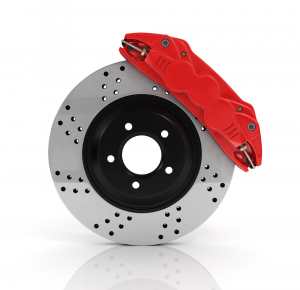
4 Signs Your Car Could Need a Brake Repair
Your Brakes Vibrate
Applying the brakes should bring your vehicle to a smooth stop. If you feel any sort of shaking or vibrating when you hit the brakes, it could be a sign that they’re in need of repair. The issue could stem from your brake pads themselves, or possibly the rotors.
You Notice Your Brake Pad Indicator Lights Up
If you own a newer vehicle, you may have two indicator lights on your dashboard that alert you when there’s an issue with your brakes. One of those lights is your ABS (Antilock Braking System), and the other is a warning light for your brake system as a whole. You may notice the light comes on when you engage your parking brake – but that’s okay, it’s supposed to do that. The time to be concerned is when the light is on when you’re not using your parking brake.
Your Brakes Squeak
Squeaking and squealing from your brakes is one of the first and most obvious signs that you may need to have them looked at. The noise is generated from worn down brake pads, and will usually get worse as time goes on. If you notice a grinding sound instead of a squeal or squeak, then your brake pads have worn dangerously thin and further use may damage the rotors.
Always get things checked out when you hear a squealing sound coming from your brakes. It’s far less expensive to replace your brake pads than it is to replace your rotors.
It Takes Longer to Stop
Hitting the brakes is supposed to stop your vehicle quickly. If you notice that it’s starting to take longer to stop than it usually does, it could be your brake pads are in need of replacement. As a matter of fact, taking longer to stop could mean that your brake pads are not only worn down, but they could be thinned out so much that your wheels will start grinding soon.
Taking longer to stop could also mean that your brake fluid is low. You should take your car in immediately if your car is taking significantly longer to stop.
Every part of your car is important if you want it to run right, but when it comes to safety, an effective brake system is at the top of the list. If you notice that it takes longer to stop, hear a grinding or squealing sound when you press the brake pedal, strange vibrations, or your brake pad indicator light is on, your brakes may need service. If you have any additional questions regarding brake repair, call Ed Martin Nissan of Fishers.
Connect with us


Recent Blog Entries
- Three Reasons Drivers Choose the 2025 Nissan Z
- Exploring the Trim Levels of the 2025 Nissan LEAF: Electric Driving Customized
- Introducing the 2025 Nissan Murano: Elegance on Wheels
- Understanding the Trim Levels of the 2025 Nissan Armada: Space and Luxury Your Way
- The Class-Leading Features of the 2025 Nissan Frontier