
Ed Martin Nissan of Fishers

Blog / Car Essentials

3 Engine Problems You Should Always Fix at Your Nissan Dealer

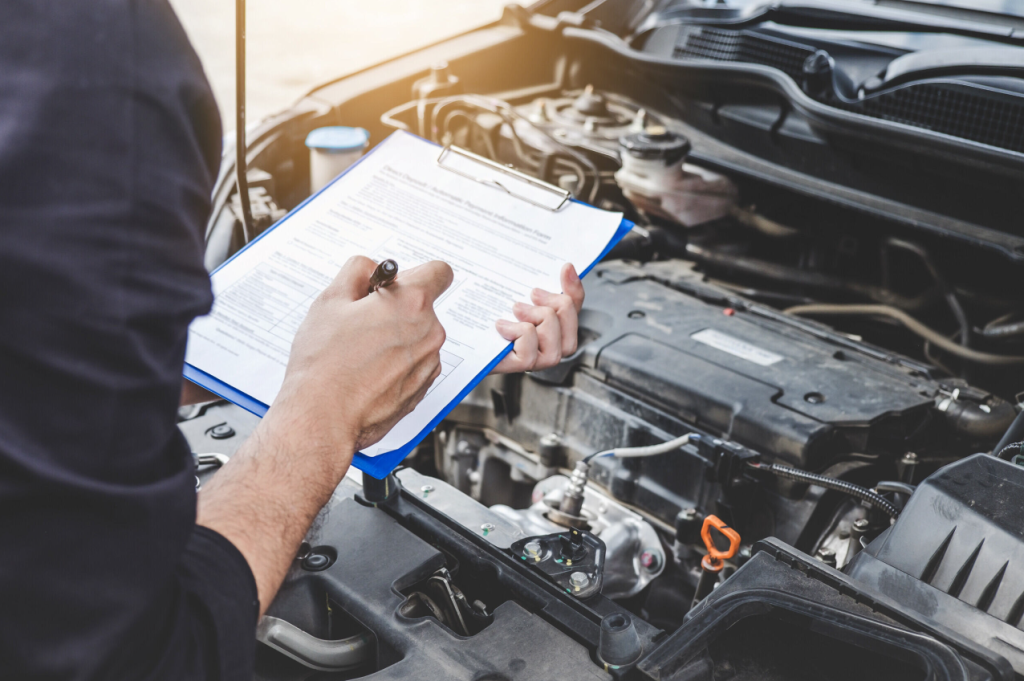
An engine leaking fluid near Fishers, Indiana.

Your Nissan's engine is an advanced piece of engineering, and it requires regular care and attention so it can work to its full potential. Worn or damaged components can result in engine problems, and these problems will grow worse if they're not repaired. These are a few problems that your friendly Nissan dealer can fix for you.

Blocked Catalytic Converter

Your engine generates large quantities of toxic gases during the combustion process. These chemicals would increase airborne pollution, so they need to be rendered safe before they're expelled from your car. The catalytic converter's job is to convert these chemicals into water and harmless gases, which can then safely flow into the exhaust pipe.

The converter uses chemical reactions, extreme temperatures, and high pressure to break down harmful chemicals. Carbon is released as a byproduct of the conversion process, and it can build up in the converter. The carbon buildup can block the converter, forcing the gases back into your engine. The excess gases will decrease fuel economy and can prevent your engine from starting. We can easily clear the blockage to fix this problem.

Clogged Radiator

The radiator's function is to remove the heat generated by your engine and replace it with cooler outside air. Liquid coolant in the engine absorbs heat from the moving parts and transfers the heat to the radiator. The coolant enters the radiator and flows into rows of thin aluminum tubes. Air flows in through the radiator grille and across the tubes. This air movement removes the heat from the coolant, and the coolant recirculates through your engine.

Coolant also absorbs rust particles, dirt, and other minute debris inside the engine. This debris is deposited at the bottom of the radiator when the coolant flows out. Over time, this debris will build up and block the radiator tubes, hoses, and other components. These blockages prevent the radiator from removing heat and your engine can overheat. We can flush your radiator to fix this problem and remove any blockage.

Damaged Sensors

Your Nissan has a computer that controls your car's functions. The computer makes driving safer and easier, allowing you to focus on the road ahead and enjoy the benefits of your car. The computer is connected to a multitude of sensors that monitor all your car's essential components. These sensors continuously relay information to the computer.

Sensors can fail like any other component. A failed sensor won't transmit information to the computer, which forces your computer to make decisions with insufficient information. This can lead to a variety of problems including engine timing problems, increased fuel usage, and even permanent engine damage. We will test the sensors and replace any damaged ones.

If you experience any problems with your engine, contact us right away at Ed Martin Nissan of Fishers.

Posted in:

Related Posts

The Importance of Regular Fluid Checks for Your Nissan

Many car owners underestimate the importance of regularly conducting a complete fluid check. If you think your fluid levels need checking, you should get in touch with your local Nissan dealer for advice and help. Your vehicle will have several fluid types, all of which are vital to it functioning properly. more Engine Oil Engine oil is arguably one of the most important fluids in your car. Its main function is to lubricate the engine's moving parts and reduce the friction between them. The oil will need to be changed regularly because it gets dirty and degrades over time. Engine Coolant Engine coolant helps to prevent the engine from becoming too hot. If the temperatures reach too high a level, the engine could seize up entirely. When the fluid levels are too low, it can't cool the engine down as much as it should. Transmission Fluid Transmission fluid serves a similar purpose to engine oil because it helps lubricate the engine's moving elements. It also provides hydraulic pressure to improve their functioning. Low fluid can cause the transmission to fail and the gears to slip. This won't necessarily stall the car, but it can make the revs higher. You may also feel like the engine has no power. Over time, low fluid can cause damage to the transmission system. Power Steering Fluid Power steering fluid reduces the effort it takes to turn the steering wheel by providing a hydraulic link between it and the front wheels. If the fluid gets too low, you may suddenly lose the power steering. This will make your car much harder to control. Low fluid can also cause damage to the power steering pump. Brake Fluid Brake fluid is a vital component of your car's braking system. It serves to amplify the braking force and it lubricates the moving parts within your brakes, reducing the risk of damage and helping them to work at their best. Checking for Leaks and Getting Help From Your Nissan Dealer If you suspect your car may have a fluid leak, you should contact us for help and advice. Your Nissan vehicle has many types of fluid that help it to work at its best. Low levels of any of them can stop your car from working and could cause serious damage if left for too long. Visit Ed Martin Nissan of Fishers today for help with checking your fluid levels and leak repairs.

A person sitting near their car after a minor collision.

Finding a Quality Collision Repair for Your Nissan

Are you looking for quality collision repair for your Nissan? Visit your local Nissan dealer to have the vehicle restored by certified technicians. Dealership technicians can restore your Nissan to its pre-accident state and restore its safety and reliability. Here's why you should trust your local dealer over independent auto repair shops. more High-Tech Diagnostic Tools A collision can leave your Nissan with hidden damage. While a visual inspection may reveal obvious collision damage, it may miss hidden issues and lead to poor-quality repairs. Things like sensor issues, computer calibration faults, and mechanical problems can lurk unseen, only to cause problems later. Dealers have access to manufacturer-level diagnostic scan tools that can provide incredibly accurate vehicle data. This allows the technicians to make a full assessment and identify all hidden faults. This guarantees comprehensive repairs and avoids problems down the road. Factory-Trained Technicians Getting auto body repairs at the dealership gives you access to factory-trained technicians. The technicians undergo advanced training on the intricacies of Nissan vehicles and systems. The specialized knowledge and hands-on experience guarantee high-quality repairs that an independent auto body shop cannot match. Easy Access to OEM Parts Dealerships only use original equipment manufacturer (OEM) parts for all vehicle repairs. They stock most manufacturer-approved parts and can easily order rare components from the manufacturer for you. Using OEM parts comes with these benefits for your Nissan: Optimal fit, form, and functionality Better and longer performance Enhanced safety Better resale value OEM components can also save you money in the long run because they don't fail prematurely. Independent auto body shops tend to use aftermarket parts, which are of inferior quality and don't function as well as original ones. The parts can also cause other components to fail and void your factory warranty. Warranty-Backed Repairs Choosing the dealership for your repair needs means the repairs will be backed by the manufacturer's warranty. The OEM parts used also come with Nissan's parts warranty. This provides peace of mind and financial protection down the road. If a part fails because the original repairs somehow missed any related damage, the warranty will cover it. You can take the car back to the dealership for additional warranty work at no charge. The warranty will apply to all OEM parts installed by the dealer. Excellent Customer Service Through the repair process, your dealer's technicians and service team will provide excellent customer service. The experience starts with assistance filling out insurance paperwork and securing a loaner car during the repair work. The staff will keep you updated on the progress throughout the process. After repairs, the technicians will clean and detail your Nissan to restore it to like-new condition, both inside and out. If your Nissan has been damaged in an accident, you can rely on your local dealership for high-quality repairs and outstanding customer service. Contact Ed Martin Nissan of Fishers to schedule repairs with our factory-trained technicians.

An oil change being performed near Fishers, Indiana.

How Often Should Your Nissan Get an Oil Change?

Engine oil is the most important fluid in your Nissan vehicle. It lubricates critical components and keeps the engine running smoothly and efficiently. To optimize engine performance, you should get an oil change regularly at your Nissan dealer. more The right interval for an oil service depends on the type of oil you use and the recommendation in your Nissan owner's manual. If you use synthetic oil, you should get an oil flush every 7,500 to 10,000 miles. Synthetic oil has advanced additives that allow it to last longer without breaking down. If you use synthetic blend oil, you should get the oil flushed every 5,000 to 7,500 miles. Use genuine full synthetic OW-20 motor oil by Nissan for your vehicle. The oil is engineered by Nissan specifically for your vehicle. It offers optimal protection and lubrication while lasting longer between changes compared to other types of oil. How to Tell Your Nissan Is Due for an Oil Flush Driving factors like frequent short trips, extreme temperatures, towing, idling, and aggressive driving can cause your engine oil to break down faster, so look out for these warning signs that indicate your Nissan is due for an oil flush: Low oil level Dark, thick, or sludgy oil Noisy engine Burning smell in the cabin Reduced fuel economy Paying attention to these indicators ensures you get fresh oil before serious engine damage occurs. Benefits of Getting a Timely Oil Service for Your Nissan Keeps the Engine Clean Over time, combustion byproducts, dirt, metal shavings, and other contaminants build up in the oil and reduce its effectiveness. Regular oil flushes and changes remove this grit and sludge before it can clog engine parts. Fresh oil also helps to keep everything operating smoothly. Protects and Lubricates Engine Parts Old oil that has lost its lubricating properties can increase friction and wear in the engine. Fresh oil coats and cushions engine parts like bearings, pistons, valves, and other moving parts. It prevents metal-on-metal contact and excessive wear that can lead to costly repairs. Improves Engine Performance Changing your oil regularly ensures the engine is well-lubricated and protected at all times. The oil maintains its viscosity and keeps additives at full strength, which enables peak engine power, acceleration, and efficiency. Improves Gas Mileage Contaminated engine oil causes more friction and drag on components, which can translate into reduced fuel economy. Changing the oil regularly minimizes friction and promotes smooth operation, helping your Nissan to get better gas mileage. Is your Nissan due for an oil service? Contact Ed Martin Nissan of Fishers to schedule a service. Our certified technicians will change your oil, install a new filter, and perform an engine inspection.