

Ed Martin Nissan of Fishers

Blog / Oil Change

Blog

All Oil Change Fishers Nissan Dealer Ed Martin Nissan of Fishers Local Nissan Dealership Fishers New Cars Around Town Safety Features Fishers Nissan Service Car Essentials 2024 Models Ed Martin Nissan of Fishers Service Nissan Techology 2023 Models Fuel Efficiency 2025 Models Towing Capacity Nissan Frontier Nissan Titan Engine Service EV Fall Service Headlights Nissan Altima Nissan Armada Nissan LEAF Nissan Rogue Nissan SUV Tires Murano Nissan Sentra Battery Replacement Fishers Used Cars Nissan ARIYA Nissan Kicks Nissan Service Nissan Truck Dealer Nissan Z Pathfinder Tire Rotation 2023 Nissan Kicks Brake Repair Catalytic Converter Service Collision First Aid Ignition Coils Nissan Maxima Nissan Murano Nissan Versa SUV

The Importance of Regular Fluid Checks for Your Nissan

Many car owners underestimate the importance of regularly conducting a complete fluid check. If you think your fluid levels need checking, you should get in touch with your local Nissan dealer for advice and help. Your vehicle will have several fluid types, all of which are vital to it functioning properly. more Engine Oil Engine oil is arguably one of the most important fluids in your car. Its main function is to lubricate the engine's moving parts and reduce the friction between them. The oil will need to be changed regularly because it gets dirty and degrades over time. Engine Coolant Engine coolant helps to prevent the engine from becoming too hot. If the temperatures reach too high a level, the engine could seize up entirely. When the fluid levels are too low, it can't cool the engine down as much as it should. Transmission Fluid Transmission fluid serves a similar purpose to engine oil because it helps lubricate the engine's moving elements. It also provides hydraulic pressure to improve their functioning. Low fluid can cause the transmission to fail and the gears to slip. This won't necessarily stall the car, but it can make the revs higher. You may also feel like the engine has no power. Over time, low fluid can cause damage to the transmission system. Power Steering Fluid Power steering fluid reduces the effort it takes to turn the steering wheel by providing a hydraulic link between it and the front wheels. If the fluid gets too low, you may suddenly lose the power steering. This will make your car much harder to control. Low fluid can also cause damage to the power steering pump. Brake Fluid Brake fluid is a vital component of your car's braking system. It serves to amplify the braking force and it lubricates the moving parts within your brakes, reducing the risk of damage and helping them to work at their best. Checking for Leaks and Getting Help From Your Nissan Dealer If you suspect your car may have a fluid leak, you should contact us for help and advice. Your Nissan vehicle has many types of fluid that help it to work at its best. Low levels of any of them can stop your car from working and could cause serious damage if left for too long. Visit Ed Martin Nissan of Fishers today for help with checking your fluid levels and leak repairs.
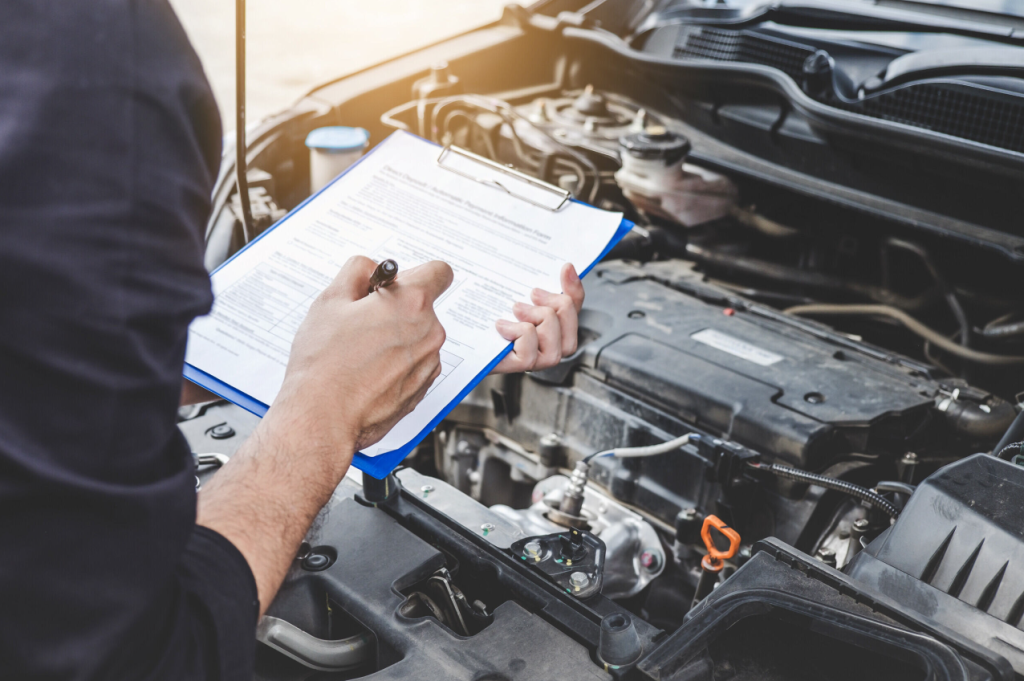
An oil change being performed near Fishers, Indiana.

How Often Should Your Nissan Get an Oil Change?

Engine oil is the most important fluid in your Nissan vehicle. It lubricates critical components and keeps the engine running smoothly and efficiently. To optimize engine performance, you should get an oil change regularly at your Nissan dealer. more The right interval for an oil service depends on the type of oil you use and the recommendation in your Nissan owner's manual. If you use synthetic oil, you should get an oil flush every 7,500 to 10,000 miles. Synthetic oil has advanced additives that allow it to last longer without breaking down. If you use synthetic blend oil, you should get the oil flushed every 5,000 to 7,500 miles. Use genuine full synthetic OW-20 motor oil by Nissan for your vehicle. The oil is engineered by Nissan specifically for your vehicle. It offers optimal protection and lubrication while lasting longer between changes compared to other types of oil. How to Tell Your Nissan Is Due for an Oil Flush Driving factors like frequent short trips, extreme temperatures, towing, idling, and aggressive driving can cause your engine oil to break down faster, so look out for these warning signs that indicate your Nissan is due for an oil flush: Low oil level Dark, thick, or sludgy oil Noisy engine Burning smell in the cabin Reduced fuel economy Paying attention to these indicators ensures you get fresh oil before serious engine damage occurs. Benefits of Getting a Timely Oil Service for Your Nissan Keeps the Engine Clean Over time, combustion byproducts, dirt, metal shavings, and other contaminants build up in the oil and reduce its effectiveness. Regular oil flushes and changes remove this grit and sludge before it can clog engine parts. Fresh oil also helps to keep everything operating smoothly. Protects and Lubricates Engine Parts Old oil that has lost its lubricating properties can increase friction and wear in the engine. Fresh oil coats and cushions engine parts like bearings, pistons, valves, and other moving parts. It prevents metal-on-metal contact and excessive wear that can lead to costly repairs. Improves Engine Performance Changing your oil regularly ensures the engine is well-lubricated and protected at all times. The oil maintains its viscosity and keeps additives at full strength, which enables peak engine power, acceleration, and efficiency. Improves Gas Mileage Contaminated engine oil causes more friction and drag on components, which can translate into reduced fuel economy. Changing the oil regularly minimizes friction and promotes smooth operation, helping your Nissan to get better gas mileage. Is your Nissan due for an oil service? Contact Ed Martin Nissan of Fishers to schedule a service. Our certified technicians will change your oil, install a new filter, and perform an engine inspection.

Contact Us

Fill out this form below and we'll contact you shortly
*Required Fields